))
Dubai Real Estate News: What July’s Biggest Updates Mean for Buyers and Investors
Dubai recorded more than 86,000 property transactions worth AED 286.43 billion during the first six months of the year.
The figures are impressive, but transaction volume only tells us where the market has already been. The more interesting story is where Dubai appears to be heading next.
From major road and rail projects to new branded residences and emerging waterfront districts, July’s announcements provide valuable signals for property buyers, investors, and residents.
Here are the most important Dubai real estate updates from July and what they could mean for the market.
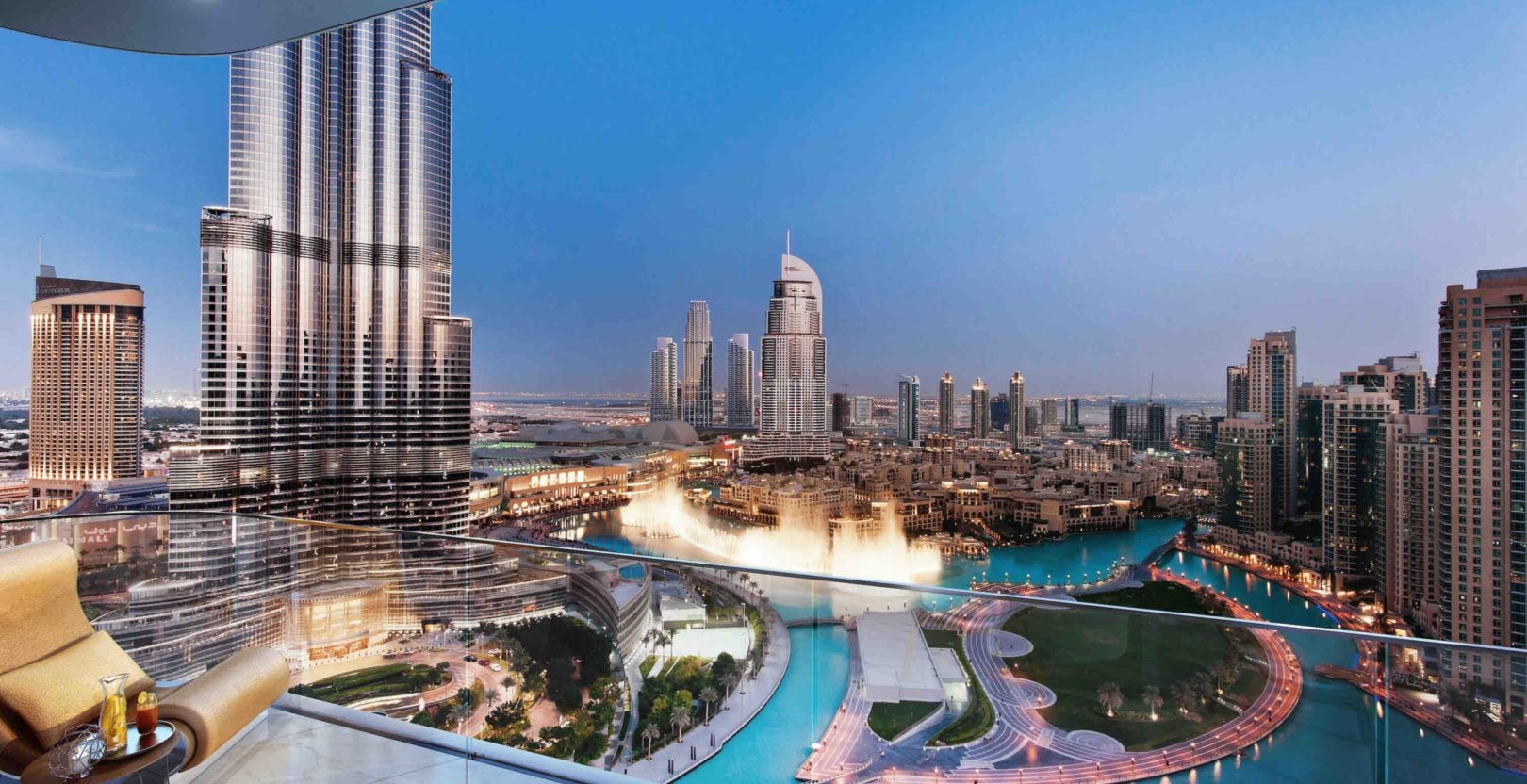
Dubai Records AED 286.43 Billion in Property Transactions
Between January and June, Dubai recorded 86,005 property transactions with a combined value of AED 286.43 billion.
These transactions included:
- More than 71,000 residential units
- Approximately 7,300 buildings
- More than 7,100 plots of land
The scale of this activity demonstrates the depth of Dubai’s property market.
For owners, a highly active market can provide a stronger pool of potential buyers when it is time to sell. For investors, it supports rental demand, price discovery, and overall market liquidity.
Many international property markets make it relatively easy to purchase. Fewer offer the same level of activity when an investor decides to rent or resell.
However, transaction figures should not be viewed in isolation. Individual building quality, developer reputation, location, payment terms, and entry price remain critical when assessing any opportunity.
Global Investors Rank the UAE as Their Preferred Property Market
Dubai’s property demand is not only being supported by residents or investors from neighbouring countries.
Research from Penta Group surveyed approximately 700 serious property investors across 12 countries and asked where they would prefer to purchase real estate.
The UAE ranked first, selected by 56% of respondents. It placed ahead of:
- The United States at 54%
- The United Kingdom at 41%
The results were particularly strong among European investors. According to the survey:
- 63% of French investors selected the UAE
- 60% of German investors selected the UAE
- 57% of Swiss investors selected the UAE
This geographic diversity matters.
A market that depends heavily on one nationality or region can experience sudden changes when economic conditions shift. Dubai’s demand comes from a much broader international audience, helping create a more balanced and resilient buyer base.
The UAE continues to attract global buyers through its safety, connectivity, business environment, lifestyle offering, and long-term infrastructure planning.
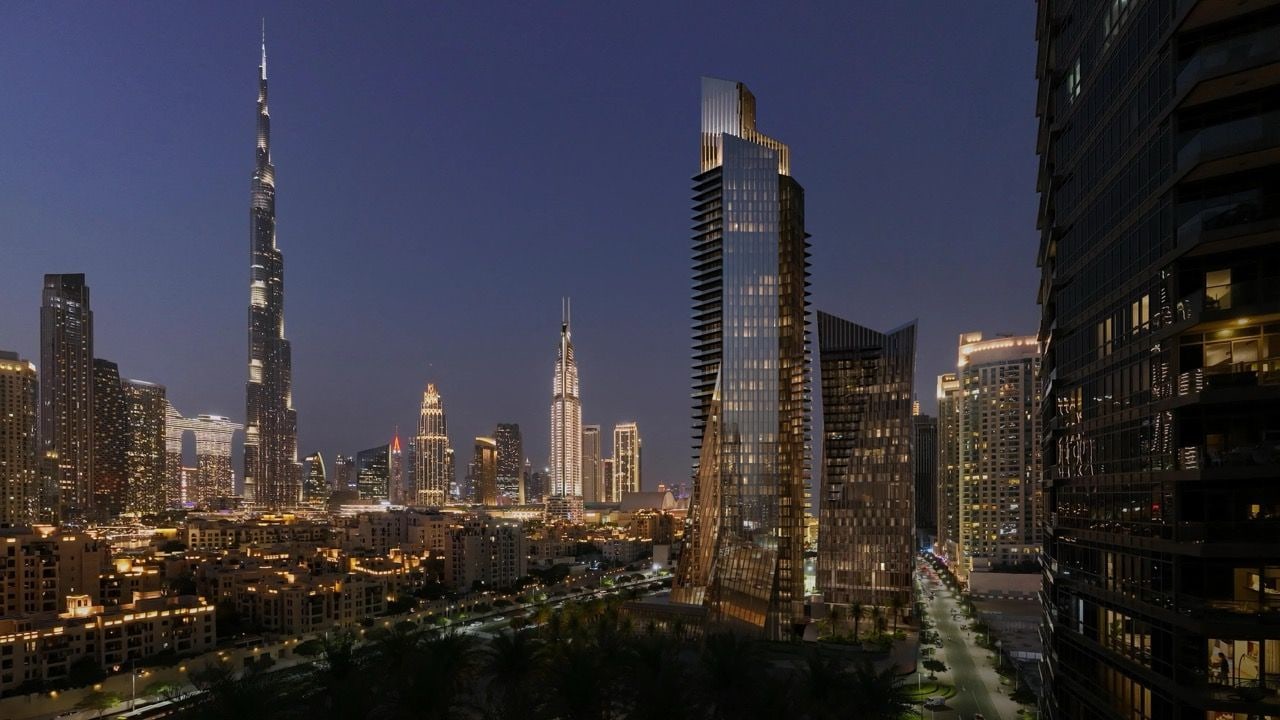
Baccarat Hotel and Residences Adds to Downtown Dubai’s Branded Market
The Baccarat Hotel and Residences is expected to open in Downtown Dubai this year.
The development consists of twin towers, including a 144-room hotel and a collection of branded residences carrying the name of the French crystal house.
Branded residences have become an increasingly important segment of Dubai’s premium property market. Buyers are not simply purchasing an apartment with a recognisable name. They are also paying for professional management, service standards, design consistency, and a clearer resale proposition.
This can make branded homes easier to position within the international resale and rental markets, particularly among buyers who already understand the brand.
That does not mean every branded residence automatically represents a good investment. Buyers still need to assess the original purchase price, annual service charges, rental potential, supply, management structure, and resale competition.
The brand may strengthen the story, but the numbers still need to make sense.
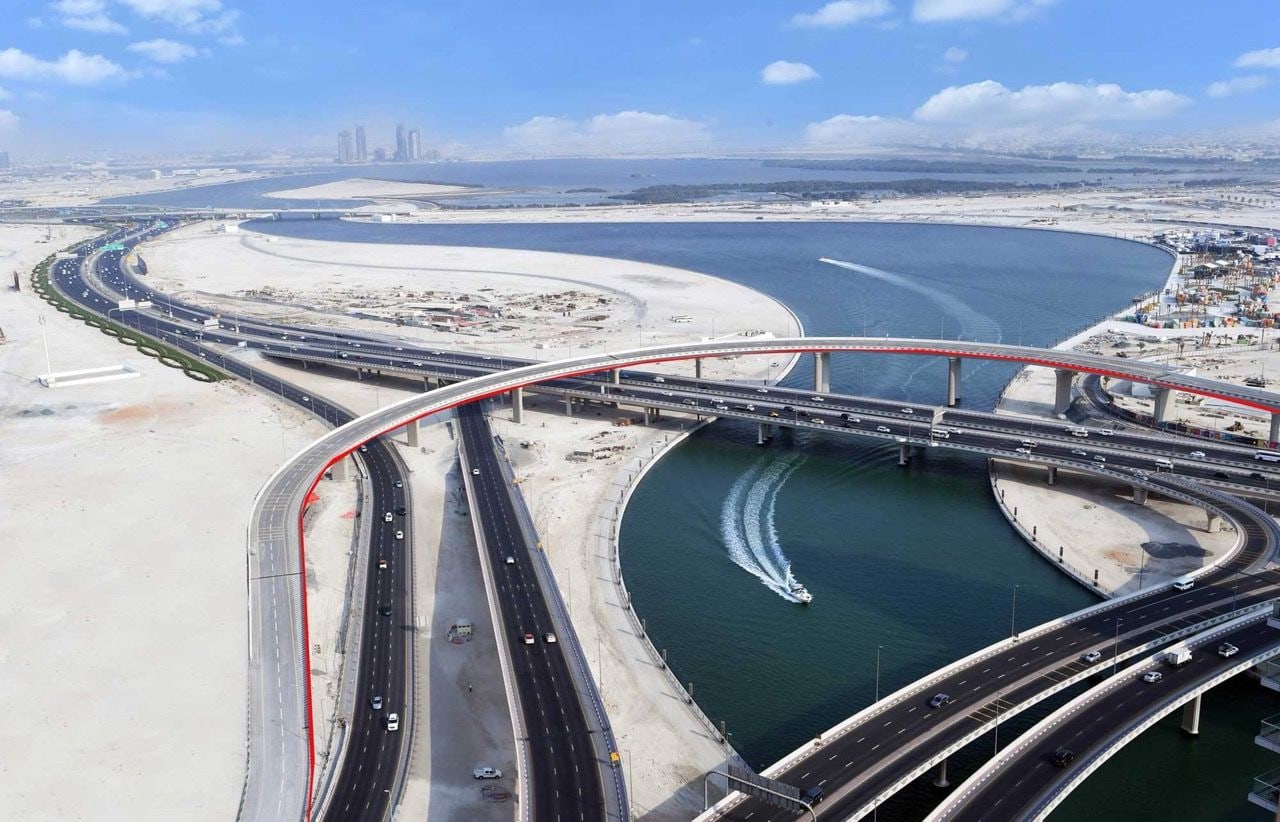
First Al Khail Street Could Reshape Dubai Connectivity
One of July’s most significant announcements was the approval of AED 18 billion in new infrastructure projects by Dubai’s Executive Council.
The headline project is the First Al Khail Street Development Plan.
The proposed elevated road will run parallel to Sheikh Zayed Road and extend approximately 15 kilometres. It will provide three lanes in each direction and serve communities including:
- Al Barsha
- Al Quoz
- Business Bay
- Meydan
The development is expected to benefit approximately 2.6 million people.
Most importantly, the project is expected to reduce rush-hour travel time on Sheikh Zayed Road by 51%.
Construction is planned to begin during the third quarter of 2027, with completion expected by the end of 2030.
For residents, this could mean significantly easier daily travel. For investors, it creates a longer-term infrastructure story for communities positioned along or near the route.
Transport improvements have historically influenced property demand in Dubai. Better road access can make an area more attractive to residents, reduce commuting times, and improve connections to employment and lifestyle districts.
However, the First Al Khail Street development remains an announced project. Timelines and plans may change before completion, so buyers should avoid paying tomorrow’s price for infrastructure that only exists on paper today.
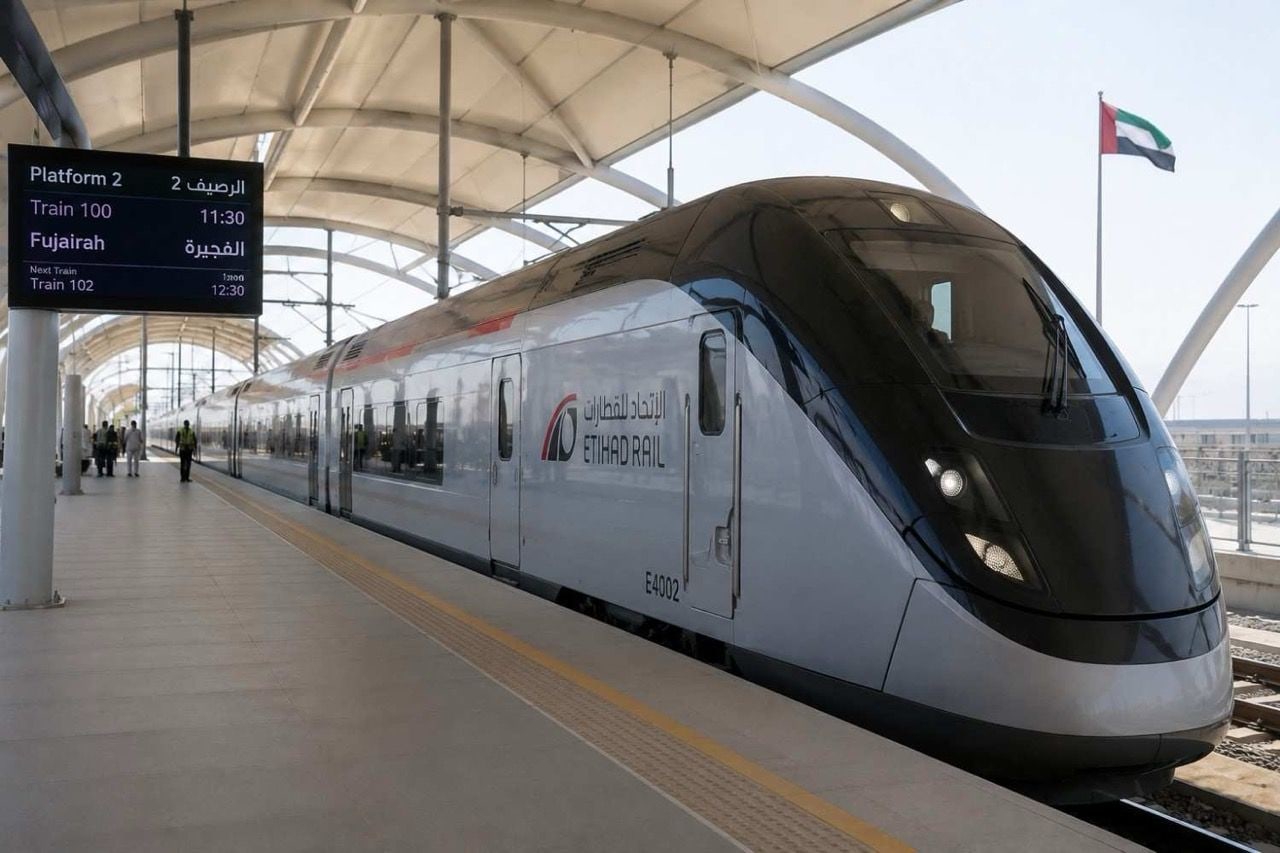
Etihad Rail and New Metro Lines Expand Dubai’s Transport Network
Dubai’s transport network is also entering a new stage of development.
Etihad Rail passenger services launched on June 30, while Dubai’s passenger station is scheduled to open on September 30. The full national passenger network is expected to be completed by March 2027.
Once operational, the network will improve rail connectivity between Dubai, Abu Dhabi, Sharjah, Fujairah, and other parts of the UAE.
Dubai has also approved the Gold Line Metro, a proposed 42-kilometre underground route connecting 15 districts.
Meanwhile, the Dubai Metro Blue Line remains scheduled for completion in 2029.
For property investors, new stations and transport corridors are important because accessibility can directly affect both tenant demand and resale interest.
Dubai has seen this pattern before. Communities located along the Red Line became significantly more accessible after the Metro opened, helping support residential and commercial development around key stations.
The Gold Line is still at an early stage. Its map has been announced, but physical construction has not yet transformed the surrounding districts.
This may create opportunities, but buyers must distinguish between confirmed access today and potential access several years from now.
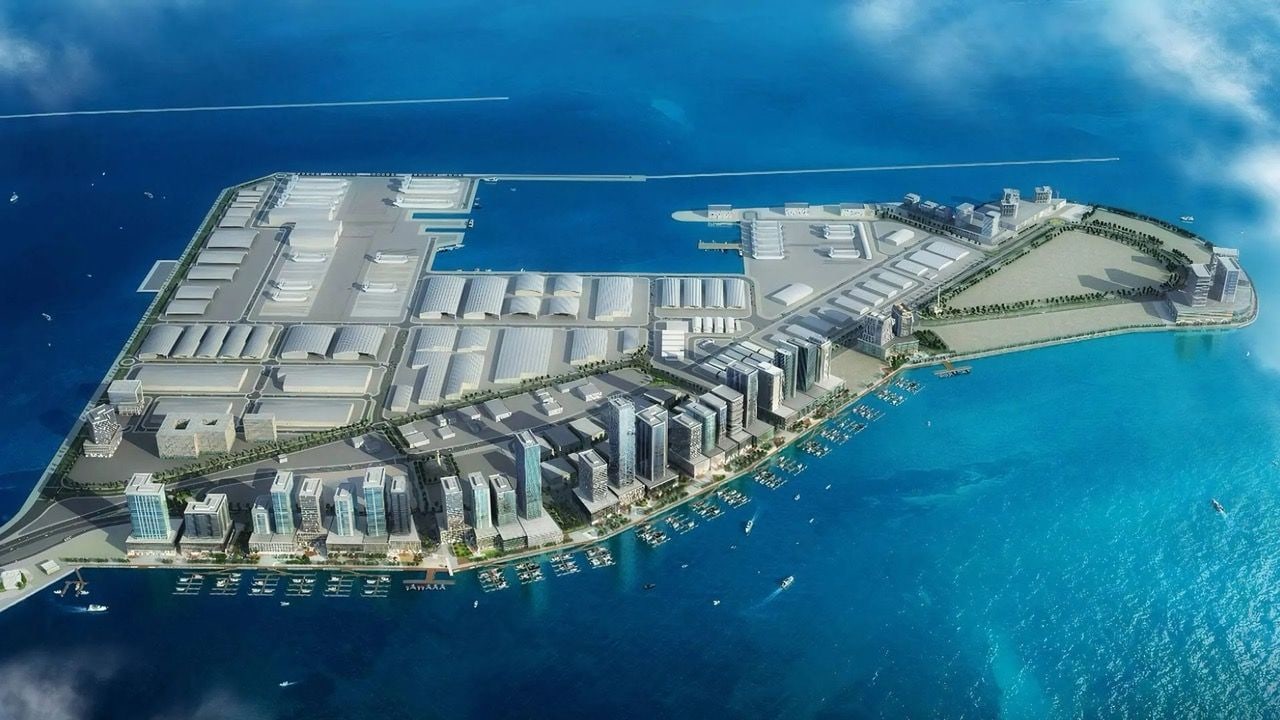
Dubai Maritime City Remains Early in Its Development Story
Dubai Maritime City is included within a wider AED 5.3 billion infrastructure programme.
Located between Port Rashid and Old Dubai, the district combines residential, commercial, marine, hospitality, and retail uses.
Its appeal comes from a relatively rare combination: genuine waterfront living within minutes of central Dubai.
The area is currently attracting more developer activity, while infrastructure investment is helping establish it as a significant coastal district.
In many ways, Dubai Maritime City is at a stage similar to where Dubai Harbour and Dubai Islands were several years ago. Investment has been committed, new projects are entering the market, and the district is beginning to establish its identity.
This does not make every project in the area equally attractive.
Investors should compare:
- Price per square foot
- Developer experience
- Construction progress
- Views and unit position
- Payment plans
- Expected service charges
- Competing future supply
- Handover timelines
The opportunity lies in identifying projects that are appropriately priced for the district’s current stage, rather than purchasing purely because the wider area is expected to grow.
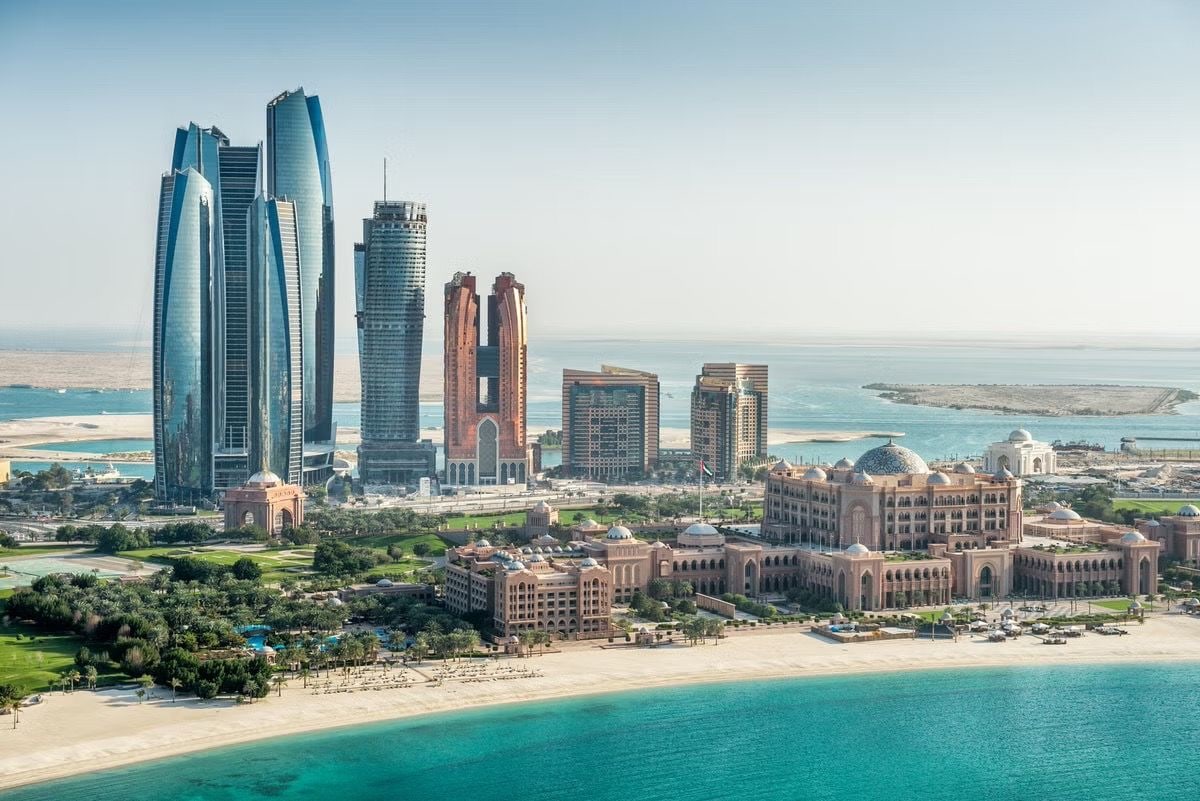
Abu Dhabi Property Sales Rise 174%
Dubai is not the only UAE property market recording significant activity.
Abu Dhabi property sales increased by 174% during the first half of the year, reaching AED 84.5 billion.
For comparison, the capital recorded approximately AED 142 billion in property sales throughout the whole of 2025.
Property prices also increased:
- Apartment prices rose by 22.5%
- Villa prices rose by 41%
- Off-plan property represented 78% of total sales
Much of the activity was concentrated in major investment and lifestyle destinations such as Al Reem Island, Al Hudayriyat Island, Yas Island, and Saadiyat Island.
The high proportion of off-plan sales suggests that buyers are positioning themselves for Abu Dhabi’s future development rather than focusing only on completed properties.
As with Dubai, strong market-wide growth does not remove the need for careful project selection. Investors should examine supply levels, realistic rental demand, developer quality, payment structures, and the expected completion date of surrounding infrastructure.
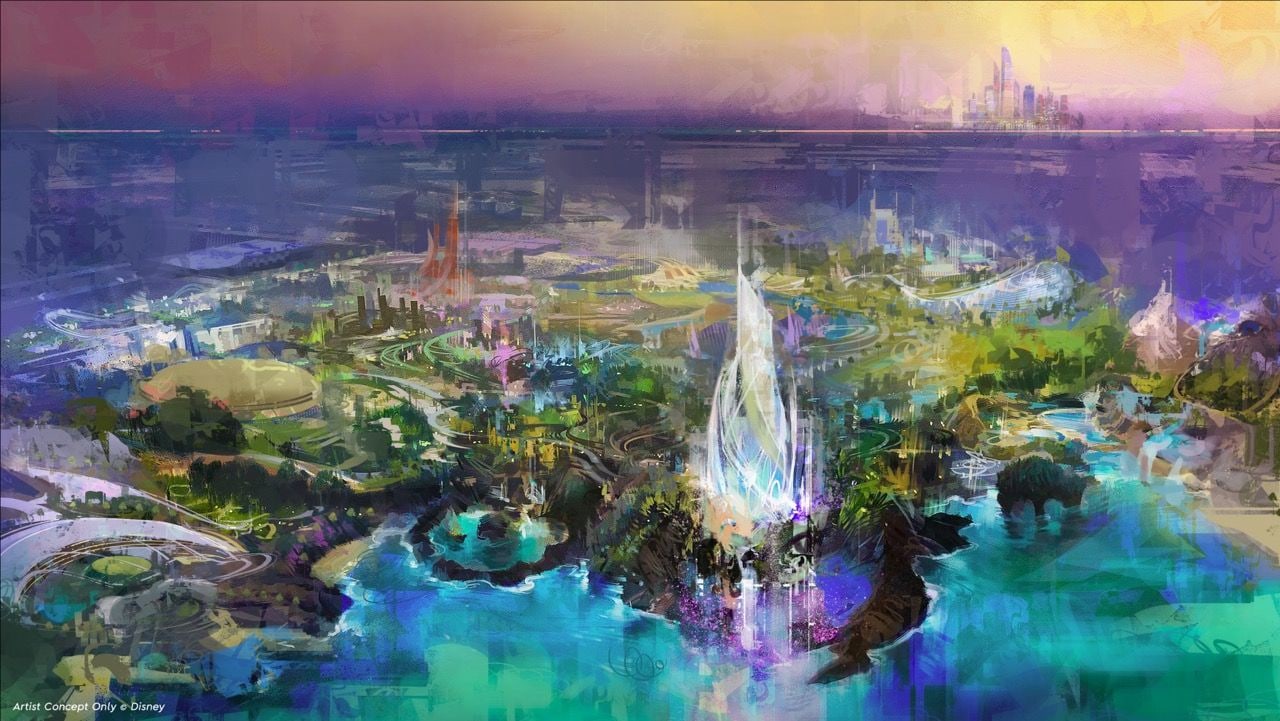
Disneyland Abu Dhabi Strengthens the Yas Island Story
Disneyland Abu Dhabi is planned for Yas North and will become Disney’s seventh resort globally and its first in the Middle East.
The destination is expected to be approximately three times the size of Disneyland California.
The announcement adds another major attraction to Yas Island, which already includes Ferrari World, Warner Bros. World, SeaWorld Abu Dhabi, Yas Marina Circuit, Yas Mall, Yas Links, and Etihad Arena.
Rental demand on Yas Island is already strengthening, with rents reportedly increasing by close to 20% year on year.
A major entertainment destination can support property demand through tourism, job creation, hospitality activity, short-term accommodation, and wider international awareness.
However, investors should remain realistic about how quickly these effects may appear. Large destinations take time to plan, construct, and become fully operational.
The strongest opportunities are usually found where the entry price, rental fundamentals, and long-term destination strategy all align.
What These Updates Mean for Dubai Residents
For people living in Dubai, the city’s infrastructure plans could make daily life considerably easier over the coming years.
The First Al Khail Street project is expected to reduce pressure on Sheikh Zayed Road. Etihad Rail will improve connections between the emirates. The Blue and Gold Metro lines will bring more communities into Dubai’s public transport network.
Residents do not need to purchase property to benefit from these improvements.
Shorter travel times, better public transport, and stronger connections between residential and commercial areas could improve the overall experience of living and working in Dubai.
What These Updates Mean for Property Investors
Transaction data shows where buyers have already been active.
Infrastructure announcements provide clues about where future demand may develop.
The First Al Khail Street corridor, the proposed Gold Line Metro, Dubai Maritime City, and the wider growth of Abu Dhabi all deserve attention.
However, an announced road, station, entertainment destination, or master plan should never be the only reason to invest.
A strong property opportunity should combine several factors:
- A sensible entry price
- Genuine end-user or tenant demand
- A reputable developer
- Appropriate payment terms
- Realistic service charges
- Limited or manageable competing supply
- A clear resale or rental strategy
Dubai and Abu Dhabi are both moving quickly, but speed alone does not guarantee returns. The best decisions come from understanding what has already been priced into the market and what remains a realistic long-term opportunity.
The Bigger Picture
Dubai’s first-half transaction numbers confirm that the property market remains highly active.
The city’s infrastructure plans show that growth is not being driven by real estate alone. Roads, rail networks, Metro lines, waterfront districts, hospitality brands, and entertainment destinations are developing alongside the residential market.
For buyers and investors, the challenge is not finding a project.
It is identifying the right property, at the right price, within the right part of the city’s long-term plan.
At Elite Merit Real Estate, we help our clients evaluate individual projects, compare locations, understand payment structures, and build a strategy based on their objectives.
To discuss what these July updates could mean for a specific building, community, or investment plan, contact our property experts.